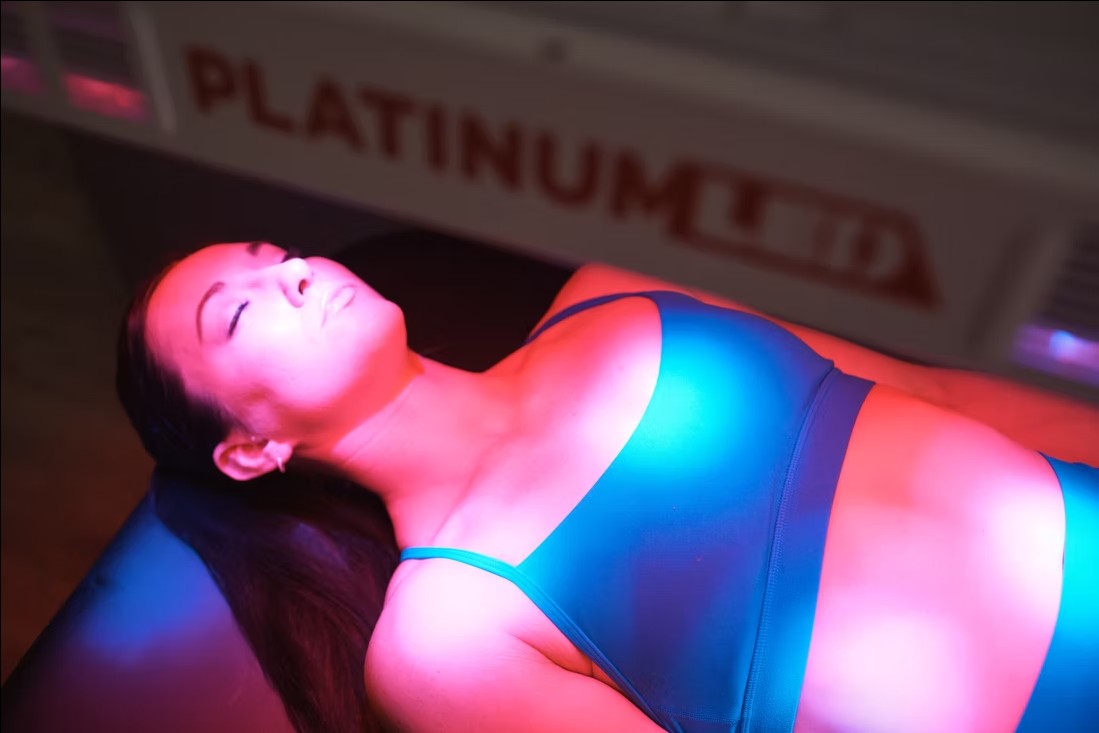
Self-care has evolved far beyond bubble baths and occasional spa days. Today, people are investing in wellness practices that support both how they feel and how they look. One treatment that has gained significant attention from healthcare professionals, athletes, skincare experts, and wellness enthusiasts is red light therapy.
Whether your goal is healthier skin, faster workout recovery, reduced muscle soreness, or simply creating a wellness routine that helps you feel your best, red light therapy offers a science-backed, non-invasive option that fits easily into modern lifestyles.
If you've been searching for red light therapy near me, this guide explains how it works, the latest research behind its effectiveness, who can benefit, and how to incorporate it into your regular self-care routine.
What Is Red Light Therapy?
Red light therapy (RLT), also known as low-level light therapy (LLLT) or photobiomodulation (PBM), uses specific wavelengths of red and near-infrared light to stimulate natural cellular processes.
Unlike ultraviolet (UV) light from the sun, red light does not damage the skin. Instead, it penetrates the tissues where it interacts with mitochondria, often called the "powerhouses" of your cells.
This interaction supports cellular energy production in the form of ATP (adenosine triphosphate), which fuels many of your body's natural repair and recovery processes.
Because of this mechanism, red light therapy has become increasingly popular in wellness centers, recovery clinics, physical therapy practices, med spas, and fitness facilities.
How Does Red Light Therapy Work?
Every cell in your body requires energy to function properly.
Red light therapy delivers specific wavelengths, commonly between:
- 630-680 nm (red light)
- 810-850 nm (near-infrared light)
These wavelengths can penetrate the skin and underlying tissues where they are absorbed by mitochondria.
Researchers believe this process may help:
- Improve cellular energy production
- Support normal tissue repair
- Encourage healthy circulation
- Reduce temporary inflammation
- Promote collagen production
- Assist the body's natural recovery response
Rather than masking symptoms, red light therapy supports the body's own biological processes.
Why Red Light Therapy Has Become Part of Modern Self-Care
Unlike treatments that require downtime or invasive procedures, red light therapy sessions are typically comfortable and relaxing.
Many people include sessions as part of their weekly wellness routine alongside:
- Massage therapy
- Stretch therapy
- Sauna sessions
- Cold plunge therapy
- Exercise recovery
- Skin care treatments
- Meditation
- Chiropractic care
Think of it as another tool that supports long-term wellness rather than providing a temporary fix.
Top Red Light Therapy Benefits
One of the biggest reasons people seek red light therapy is the wide range of potential wellness applications supported by growing scientific research.
1. Supports Healthy Skin
Healthy skin depends on collagen, elastin, hydration, and proper cellular turnover.
Research suggests red light therapy may help support:
- Brighter complexion
- Improved skin texture
- More even skin tone
- Better skin elasticity
- Reduced appearance of fine lines
It has become a popular addition to many anti-aging skincare routines.
2. Red Light Therapy for Wrinkles
One of the most searched topics online is red light therapy for wrinkles, and for good reason.
As we age:
- Collagen production naturally declines.
- Skin becomes thinner.
- Elasticity decreases.
- Fine lines become more noticeable.
Multiple clinical studies have shown that consistent red light therapy may stimulate collagen production, which can improve skin firmness and reduce the visible appearance of wrinkles over time.
While results vary between individuals, many users notice gradual improvements after several weeks of regular sessions.
3. Muscle Recovery After Exercise
Athletes have used red light therapy for years.
Benefits may include:
- Less post-workout soreness
- Faster recovery
- Reduced muscle fatigue
- Better exercise performance
- Support for tissue recovery
This makes it popular among:
- Runners
- Cyclists
- Weightlifters
- CrossFit athletes
- Golfers
- Tennis players
- Weekend warriors
4. Joint Comfort
People experiencing occasional joint discomfort often add red light therapy to their recovery routine.
Some studies suggest it may help support:
- Mobility
- Flexibility
- Temporary pain reduction
- Reduced stiffness
It is commonly used alongside physical therapy and stretching programs.
5. Improved Circulation
Healthy circulation delivers oxygen and nutrients throughout the body.
Research indicates red light therapy may encourage healthy blood flow, which supports:
- Recovery
- Tissue health
- Healing
- Overall wellness
6. Stress Reduction and Relaxation
Self-care isn't just physical.
Many clients report feeling deeply relaxed during red light therapy sessions.
A typical session involves:
- Comfortable positioning
- Gentle warmth
- Quiet environment
- No needles
- No discomfort
- No recovery time
For busy professionals, this creates an opportunity to disconnect while supporting overall wellness.
Who Can Benefit From Red Light Therapy?
Many healthy adults may benefit from adding red light therapy to their wellness routine.
It is commonly used by:
- Office workers with muscle tension
- Athletes
- Active adults
- Seniors
- Individuals focused on healthy aging
- People interested in skincare
- Busy professionals
- Fitness enthusiasts
Because every individual is different, consult your healthcare provider if you have medical conditions or concerns before beginning treatment.
Red Light Therapy Benefits for Skin Health
Among all the potential red light therapy benefits, skin improvement remains one of the most popular.
Potential improvements include:
- Better collagen support
- Improved skin firmness
- Reduced appearance of wrinkles
- Healthier glow
- Improved skin texture
- More even complexion
- Reduced visible signs of aging
Since results occur gradually, consistency is important.
What Happens During a Red Light Therapy Session?
If you've never tried red light therapy before, the process is surprisingly simple.
Most sessions involve:
- 1. A brief consultation.
- 2. Comfortable positioning under a professional red light panel.
- 3. Exposure for approximately 10 to 20 minutes.
- 4. Relaxing while the light works.
- 5. Returning immediately to your normal activities.
There is usually:
- No pain
- No downtime
- No recovery period
- No injections
- No surgery
How Often Should You Do Red Light Therapy?
Frequency depends on your goals.
Many wellness centers recommend:
For skin wellness
- 2-5 sessions per week initially
- Maintenance sessions after noticeable improvements
For recovery
- Several sessions per week
- Before or after workouts depending on your program
Consistency generally produces better results than occasional sessions.
Can You Combine Red Light Therapy With Other Wellness Services?
Absolutely.
Many wellness professionals recommend combining red light therapy with complementary services.
Popular combinations include:
Stretch Therapy
Supports flexibility while red light therapy helps promote recovery.
Massage Therapy
A great combination for muscle tension and relaxation.
Sauna Sessions
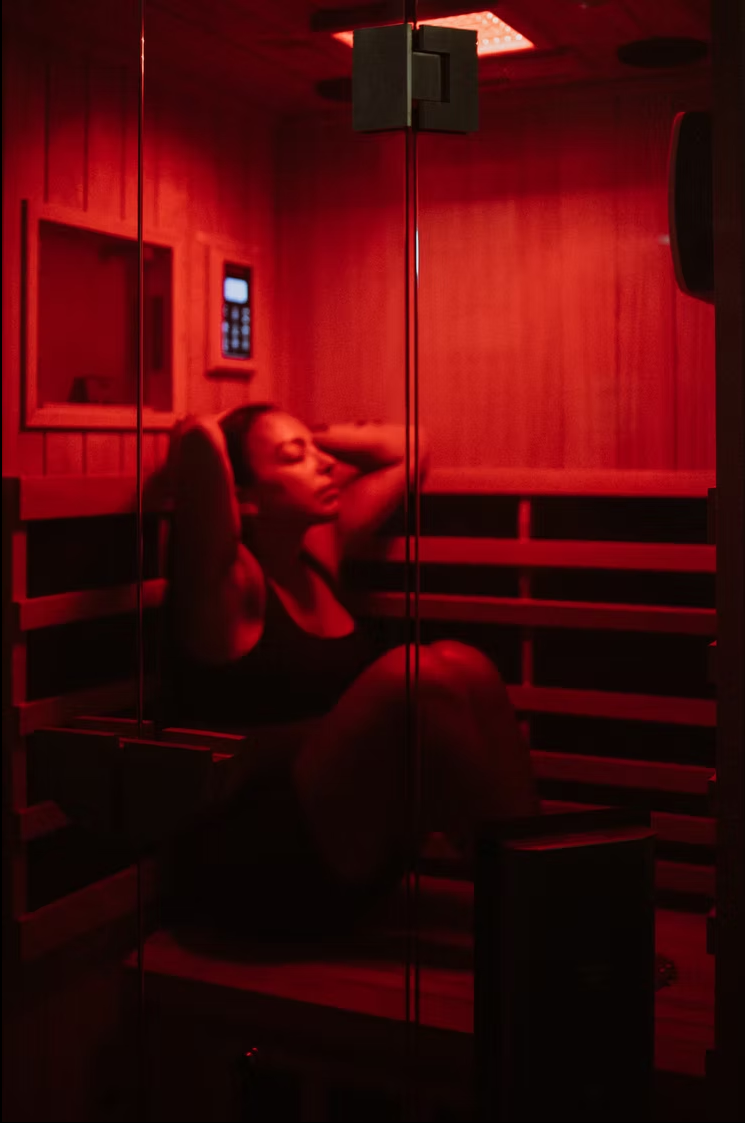
Heat and red light can complement each other in a wellness routine.
Cold Plunge
Many athletes alternate cold therapy and red light for recovery.
Exercise Programs
Supports recovery between training sessions.
Is Red Light Therapy Safe?
When administered correctly using professional-grade equipment, red light therapy has an excellent safety profile.
Unlike tanning beds, red light therapy:
- Does not emit UV rays
- Does not tan the skin
- Does not burn healthy tissue
- Is considered non-invasive
However, eye protection may be recommended depending on the equipment used.
Always follow provider recommendations.
What Does the Research Say?
Scientific interest in photobiomodulation has grown substantially over the past decade.
Researchers continue investigating potential applications involving:
- Skin rejuvenation
- Wound healing
- Muscle recovery
- Exercise performance
- Joint comfort
- Temporary pain management
- Cellular repair
While many findings are encouraging, results can vary depending on treatment protocols, wavelength, dosage, treatment frequency, and individual health factors.
Experts generally agree that consistency and professionally designed treatment plans produce the best outcomes.
Choosing the Best Red Light Therapy Near You
Searching for red light therapy near me often produces dozens of options.
Here are a few things to consider before booking:
Professional Equipment
Medical-grade systems typically provide more consistent light output than inexpensive home devices.
Qualified Staff
Choose providers who understand proper treatment protocols and wellness planning.
Clean Facility
A professional wellness center should maintain high standards of cleanliness and client care.
Personalized Recommendations
Your goals matter.
Whether you're focused on recovery, skincare, or overall wellness, your provider should recommend an appropriate treatment schedule.
Additional Recovery Services
Many people achieve better overall wellness when combining treatments like stretch therapy, massage, sauna sessions, or recovery programs.
Common Myths About Red Light Therapy
Myth: It is the same as tanning. False. Red light therapy does not use ultraviolet radiation.
Myth: Results happen after one session. While some people feel relaxed immediately, skin and recovery benefits typically develop gradually through consistent treatments.
Myth: It replaces medical care. Red light therapy is considered a wellness and supportive care option. It should not replace medical evaluation or treatment for serious health conditions.
Frequently Asked Questions
Does red light therapy hurt?
No. Most clients describe sessions as relaxing and comfortable.
How long does a session take?
Most appointments last between 10 and 20 minutes, although treatment times vary depending on the equipment and treatment plan.
Is red light therapy good for wrinkles?
Many studies suggest red light therapy for wrinkles may help stimulate collagen production, improving skin texture and reducing the appearance of fine lines with consistent use.
Can athletes benefit?
Yes. Many athletes use red light therapy to support recovery, reduce soreness, and improve training consistency.
How soon will I notice results?
Some people notice improvements in relaxation or muscle recovery after a few sessions, while visible skin changes often require several weeks of consistent treatment.
Is professional treatment better than home devices?
Professional systems generally deliver greater power, larger treatment areas, and more consistent results than many consumer-grade devices.
Final Thoughts
Creating a sustainable self-care routine means choosing habits that support your body over the long term. Red light therapy has become a valuable part of many wellness plans because it is comfortable, non-invasive, and supported by a growing body of scientific research.
Whether your goal is healthier-looking skin, improved recovery after exercise, or exploring the many red light therapy benefits, consistency is key. For individuals interested in red light therapy for wrinkles, regular sessions may help support collagen production and improve overall skin appearance over time.
If you've been searching for red light therapy near me, look for a reputable wellness center with professional equipment and experienced staff who can tailor treatments to your specific goals. Combined with healthy lifestyle habits such as regular exercise, balanced nutrition, quality sleep, and stress management, red light therapy can become an effective addition to a well-rounded self-care routine that supports both wellness and confidence.
Related Services
Ready to explore wellness services in St. Augustine? View our services or book your visit with Reset Wellness & Aesthetics.