Joint pain can make even simple daily activities feel challenging. Whether it's knee discomfort after exercise, morning stiffness, arthritis-related pain, or inflammation from an old injury, finding effective relief is a priority for many people.
One treatment gaining significant attention is Red Light Therapy. This non-invasive wellness therapy is being used by people seeking natural support for joint health, pain management, and recovery without medication or downtime.
In this guide, we'll explore how red light therapy works, the science behind it, the major red light therapy benefits, and why many people searching for red light therapy near me are turning to this innovative treatment for joint pain relief.
What Is Red Light Therapy?
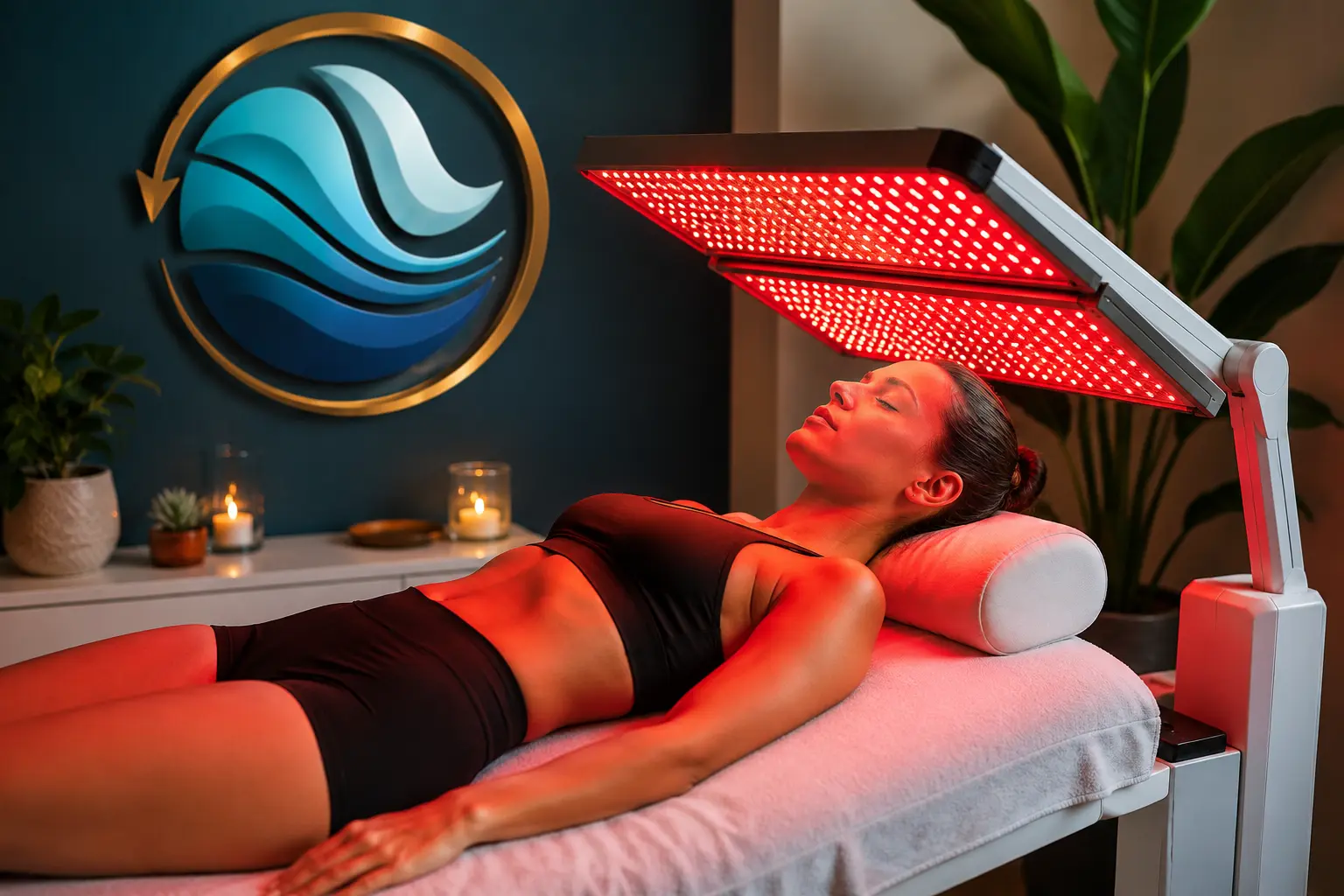
Red Light Therapy is a non-invasive treatment that uses specific wavelengths of red and near-infrared light to penetrate the skin and underlying tissues.
These wavelengths stimulate cellular activity, helping the body produce more energy at the cellular level. This process is known as photobiomodulation (PBM), a technology widely studied for pain management, inflammation reduction, tissue repair, and recovery support.
Unlike UV light from tanning beds, red light therapy does not damage the skin. The treatment is painless, relaxing, and typically requires no recovery time.
How Does Red Light Therapy Help Joint Pain?
Quick Answer
Red light therapy may help ease joint pain by:
- Reducing inflammation
- Increasing circulation
- Supporting cellular repair
- Improving tissue recovery
- Enhancing joint mobility
- Decreasing stiffness
These effects can make it easier to move comfortably and perform everyday activities.
The Science Behind Red Light Therapy and Joint Health
Every cell in your body contains structures called mitochondria, often referred to as the "powerhouses" of the cell.
When red and near-infrared light reaches tissues, mitochondria absorb the light energy and produce more ATP (adenosine triphosphate), the primary energy source used by cells.
This increase in cellular energy can help:
- Accelerate tissue repair
- Support healing processes
- Improve circulation
- Reduce oxidative stress
- Lower inflammatory responses
Since inflammation is one of the primary causes of chronic joint pain, these effects may contribute to noticeable improvements in comfort and mobility over time.
Common Joint Conditions That May Benefit from Red Light Therapy
Many individuals use red light therapy as part of a wellness routine to support recovery from:
Osteoarthritis
Osteoarthritis occurs when cartilage gradually wears down, causing pain, stiffness, and reduced mobility. Red light therapy may help reduce inflammation around affected joints and support tissue health.
Rheumatoid Arthritis
Rheumatoid arthritis is an autoimmune condition that causes inflammation in the joints. Red light therapy may help support comfort and reduce morning stiffness.
Knee Pain
The knees absorb significant stress during daily movement. Red light therapy is commonly used to support recovery from:
- Chronic knee discomfort
- Sports-related strain
- Age-related joint stiffness
- Overuse injuries
Shoulder Pain
Shoulder joints are vulnerable to inflammation and repetitive strain. Red light therapy may help improve mobility and reduce discomfort.
Hip Joint Pain
Hip pain can affect walking, exercise, and overall quality of life. Increased circulation and tissue support may help ease symptoms.
Tendon and Ligament Issues
Many people use red light therapy to support recovery from:
- Tendon irritation
- Ligament strain
- Repetitive motion injuries
- Sports-related inflammation
Top Red Light Therapy Benefits for Joint Pain
1. Helps Reduce Inflammation Inflammation is often the root cause of persistent joint discomfort. One of the most recognised red light therapy benefits is its ability to support the body's natural inflammatory response.
2. Supports Faster Recovery Whether recovering from exercise, injury, or chronic strain, red light therapy may help support tissue repair and recovery.
3. Improves Blood Circulation Healthy circulation helps deliver oxygen and nutrients to affected tissues while supporting waste removal.
4. Enhances Joint Mobility Many users report improved flexibility and range of motion after consistent sessions.
5. Non-Invasive and Drug-Free Unlike injections or surgical procedures, red light therapy requires no downtime and involves no medications.
6. Comfortable Treatment Experience Sessions are typically relaxing and pain-free, making them accessible for many individuals.
Advantages of Red Light Therapy Compared to Traditional Pain Management
When evaluating treatment options, many people appreciate the unique advantages of red light therapy:
| Red Light Therapy | Traditional Approaches |
|---|---|
| Non-invasive | May involve injections |
| No recovery time | Potential downtime |
| Drug-free | Medication dependence possible |
| Supports natural healing | Often symptom-focused |
| Comfortable sessions | Some treatments may be uncomfortable |
This is why many wellness-focused individuals consider red light therapy as part of a broader recovery and pain-management strategy.
What Does a Typical Red Light Therapy Session Feel Like?
Many first-time users are surprised by how simple the experience is.
During a session:
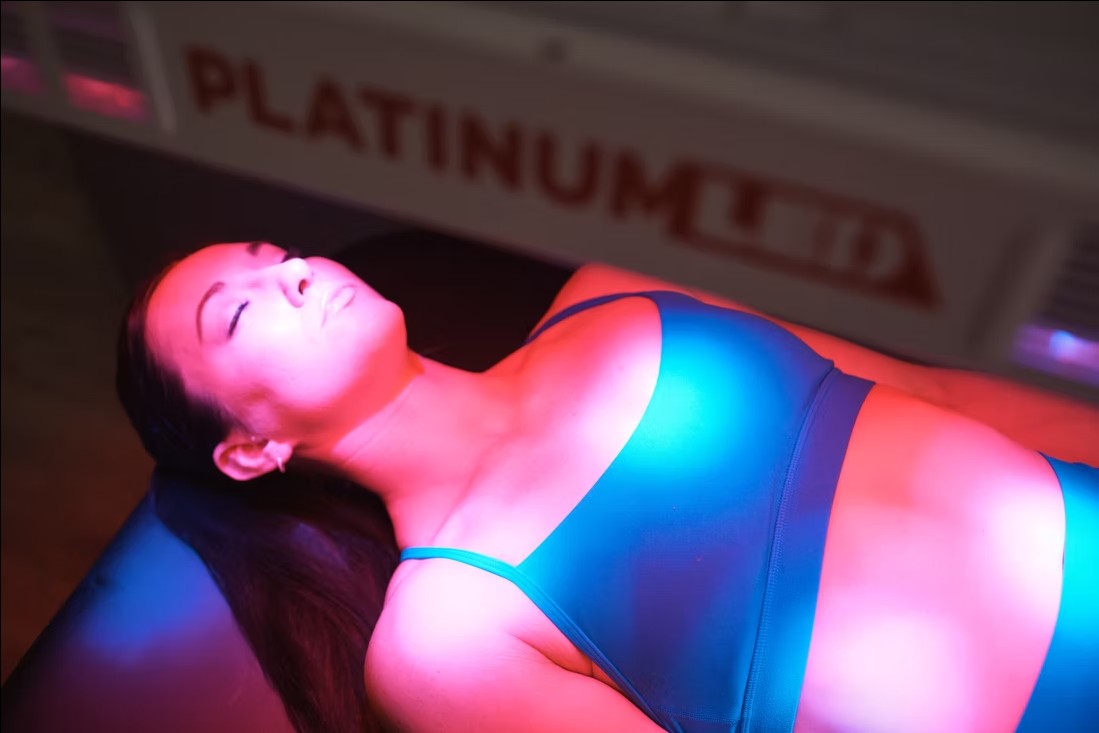
1. The treatment area is exposed to red and near-infrared light. 2. You remain relaxed while the light penetrates targeted tissues. 3. Most sessions last between 10 and 20 minutes. 4. No pain, burning, or discomfort is typically experienced. 5. Normal activities can be resumed immediately afterwards.
How Many Sessions Are Needed for Joint Pain?
Results vary depending on:
- Severity of symptoms
- Duration of joint issues
- Overall health
- Consistency of treatment
Many individuals begin noticing improvements after several sessions, while chronic conditions may require ongoing treatments for optimal results.
Consistency is often the key factor in achieving the best outcomes.
Is Red Light Therapy Safe?
Red light therapy is generally considered safe when administered properly.
Because it does not use ultraviolet (UV) radiation, it does not carry the same risks associated with tanning beds or excessive sun exposure.
Individuals with specific medical conditions should consult a healthcare professional before beginning any wellness treatment.
How to Find the Best Red Light Therapy
If you're researching the best red light therapy options, consider:
- Professional-grade equipment
- Experienced wellness providers
- Full-body and targeted treatment options
- Clean and comfortable treatment environment
- Personalised wellness recommendations
Choosing a reputable provider can significantly improve your overall experience and treatment consistency.
Searching for Red Light Therapy Near Me?
Many people searching for red light therapy near me are looking for a natural way to support joint comfort, reduce inflammation, and improve mobility.
For residents and visitors in St. Augustine, Florida, professional red light therapy sessions provide an opportunity to experience advanced wellness technology in a relaxing environment designed to support recovery and overall well-being.
Frequently Asked Questions
Does red light therapy work for arthritis?
Many individuals with arthritis use red light therapy to support comfort, reduce stiffness, and improve mobility. Results can vary from person to person.
Can red light therapy help knee pain?
Red light therapy is commonly used for knee discomfort associated with aging, exercise, inflammation, and repetitive stress.
How often should I do red light therapy?
Many wellness professionals recommend multiple sessions per week initially, followed by maintenance treatments based on individual goals.
Is red light therapy painful?
No. Most people find the treatment comfortable and relaxing.
Can red light therapy replace medical treatment?
Red light therapy is often used as a complementary wellness approach and should not replace professional medical advice or treatment.
Final Thoughts
Joint pain can affect every aspect of daily life, from exercise and work to sleep and overall comfort. Fortunately, advances in wellness technology have created new options for supporting recovery naturally.
The growing popularity of Red Light Therapy comes from its ability to help reduce inflammation, support cellular repair, improve circulation, and enhance mobility without drugs or downtime.
Related Services

Ready to explore wellness services in St. Augustine? View our services or book your visit with Reset Wellness & Aesthetics.